Some thoughts on retirement
I’m probably very lucky to have survived at all until retirement. I thought I was a reasonably healthy 50-something until I was asked to test a new blood pressure machine in the anaesthetic room one morning. The 220/110 reading proved to be a fault in me, not the apparatus, and I was packed off to the GP who started hypotensives that I’m still on, successfully, unchanged over 20 years. However arduous on-call in a busy specialist unit with little middle-grade support was causing me dangerous stress. Occupational health wanted me to take early retirement but I negotiated a daytime only contract for a further 4 years during which we hosted the Neuroanaesthesia Society and I had the time and experience to take part in regional interviews for registrars, and my relinquished on-call and management sessions left me with the opportunity to fill in gaps for absent colleagues, especially in neuroanaesthesia. However, I did retire as always planned at age 61. I simply went on holiday for 2 weeks and didn’t return.
Towards the end I was advised to attend a BMA retirement course, and this is much to be recommended, removing any fears, and providing much advice, including recommendations not to take on everything that was sure to be suggested by others. Our private hospital bombarded me with requests to take on many new sessions, but I only retained one session per week at most, as I wanted to enjoy the “free” time. However, the demands of retaining registration, CPD etc. became impossible outside the NHS as my former colleagues had too much work providing the accreditation requirements of their fellows, so I retired completely, withdrew my registration, and received about £34 in unused GMC fees.
I did retain my commitment to Anaesthetists In Management (AIM), a now sadly defunct subspecialty group I’d been involved in for some time, including organising conferences, support and training for anaesthetists who had become involved in running their departments and/or hospitals.
My next major commitment was becoming Chairman of my hospital League of Friends. The previous chairman advised me to limit this absolutely to 3 years, give adequate notice, which I duly did. It was 3 years of hard but fulfilling work, a good way of paying back something to the hospital that had employed me for 26 years; keeping the League coffee shop going against takeover bids from national chains (the Trust CEO recognised our value); starting and running a League website; and maintaining the public face of the League at local shows and exhibitions, thus attracting local support including legacies.
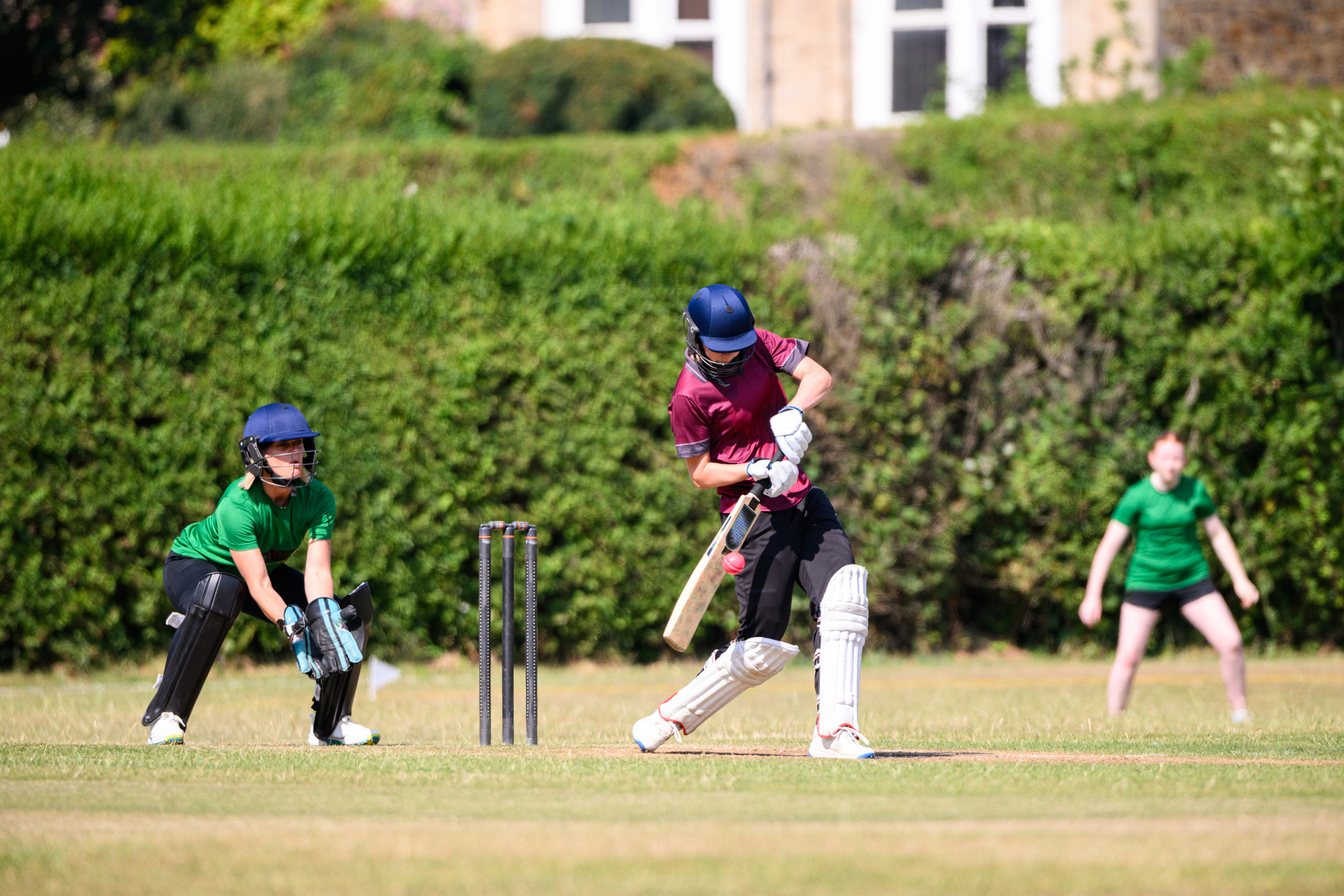
But my Second Career was cricket umpiring. I have always been religiously fanatical about cricket. Though never very skilled, I did play minor club cricket until age 57. I had done a lot of informal umpiring: I couldn’t score as the numbers never seemed to add up correctly. But I was encouraged by the family to take up regular umpiring with a local club, who then advised me to take a formal, nationally recognised course at the local county cricket ground. On the last morning, we were told there would be an exam which required 80% mark to achieve the qualification. After medical close-marking exams where 55% is professorial standard, this seemed excessive, but I did get 90% and was immediately qualified to join the county league panel. I would recommend umpiring to anyone keen to continue taking part in a sport they love. Refereeing soccer or rugby may be too much for the over-60s, but I have a friend who referees golf successfully at a high level. I have had 13 years enjoyable experience and exercise, at a level much higher than I ever achieved as a player. There is much satisfaction too in umpiring junior matches and encouraging keen young players both boys and girls, and passing on experience which is rarely gained now in state schools but is available through clubs and county organisations. I stood at my first international game some years ago in a local junior festival: Jersey v Oman under-14s I think it was.
At 79 I’m still quite busy but beginning to feel my age a bit. No longer is it so easy to stand in a cricket field for 7 hours, and glaucoma has wrecked my right eye and thus stereo vision. But I can still drive, see the family regularly, and keep taking the tablets and eye drops. Don’t be afraid of resting when your body tells you need to. You won’t be able to do so much as in middle age.
We didn’t downsize our house. We still need the family home, though my wife now welcomes their taking over the cooking sometimes, especially at family Christmases, as I think they would all welcome more than just my boiled eggs at festive celebrations.
I think the important thing is to keep active both physically and mentally. I don’t get obsessed about 10,000 steps per day, but I do swim 3 times per week and walk quite a bit. I enjoy crosswords and reading and have been tracing my family tree (and my wife’s) for many years. This may be a typical old person’s hobby, but it does exercise the mind, provides challenging problems, and can always be put aside for a while when more urgent chores intervene.
I don’t miss the patients but understand many retirees will do so. I do miss the teamwork in theatres and hospital, both clinical and management. I do try to keep up with them by attending the local NHS Retirement Fellowship and I would encourage everyone retiring to give that a go.
Enjoy your retirement. You will have earned it.
Dr Bill Rawlinson
Former Consultant Anaesthetist and Medical Director, Princess Royal, Cuckfield and Hurstwood Park Hospitals, Haywards Heath, West Sussex